




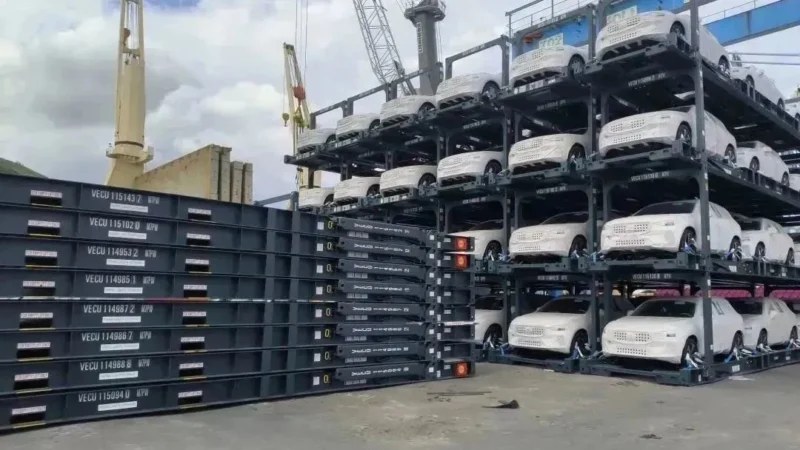

As China’s electric vehicle (EV) industry continues its rapid global expansion, automakers are facing a significant logistical bottleneck: a severe shortage of specialised Roll-on/Roll-off (Ro-Ro) car carrier capacity. With traditional car carriers in high demand, Chinese manufacturers are pioneering alternative shipping methods to ensure their vehicles reach international markets.
Leapmotor’s “Flat Rack” solution
Facing limited Ro-Ro capacity, Stellantis-backed Leapmotor has adopted a “Flat Rack” transport solution by COSCO Shipping Specialised Carriers. Instead of relying on specialised car carriers, Leapmotor secures its vehicles onto metal racks, which are then loaded onto conventional cargo ships. This method has already proven successful, with the company reportedly transporting over 1,800 vehicles to Brazil using this approach, subsequently leveraging Stellantis’s established logistics network for final delivery.

Beyond Ro-Ro: containers and specialised frames
While Ro-Ro vessels traditionally handle most of the global finished vehicle maritime trade due to their efficiency in handling wheeled, self-driving cargo, the current capacity crunch has accelerated the adoption of alternative logistics.
- Containerised Shipping: Container shipping has emerged as a flexible, cost-effective, and environmentally friendly alternative. New industry standards have been established to regulate the safety of transporting vehicles in containers, with a 40-foot container typically capable of holding 2 to 4 vehicles.

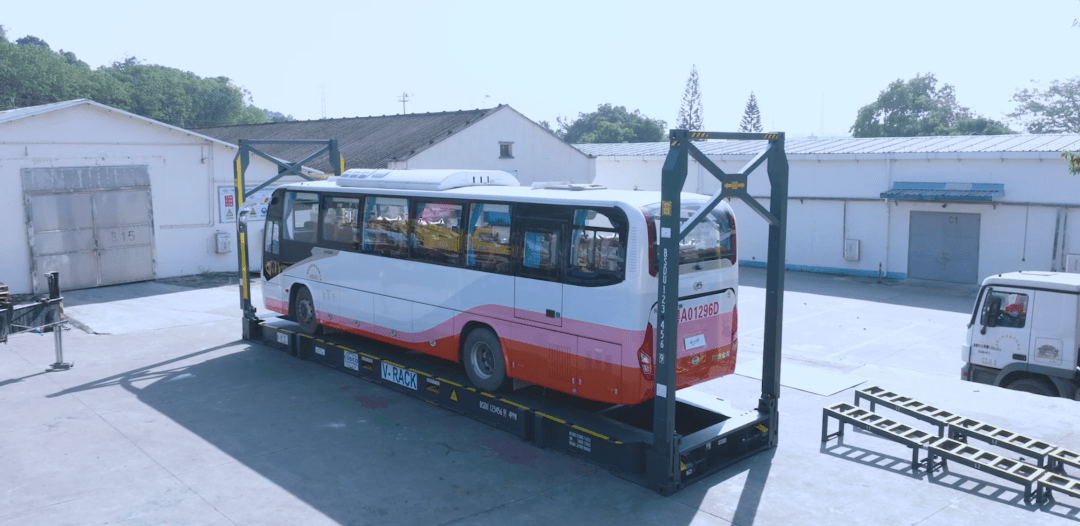
- Multipurpose pulp carriers: COSCO Shipping Specialised Carriers has transformed its fleet of 62,000-dwt multipurpose pulp carriers into “transformers” of the sea. By utilising a proprietary “foldable specialised frame” Flat Rack for vehicles, these ships can carry over 1,000 cars per voyage. The 48-foot frames allow vehicles to be driven on, secured, and then lifted into the cargo holds, where they can be stacked up to 8 layers high. In addition, the company has developed the V-Rack, an ultra-wide foldable frame for transporting commercial vehicles.
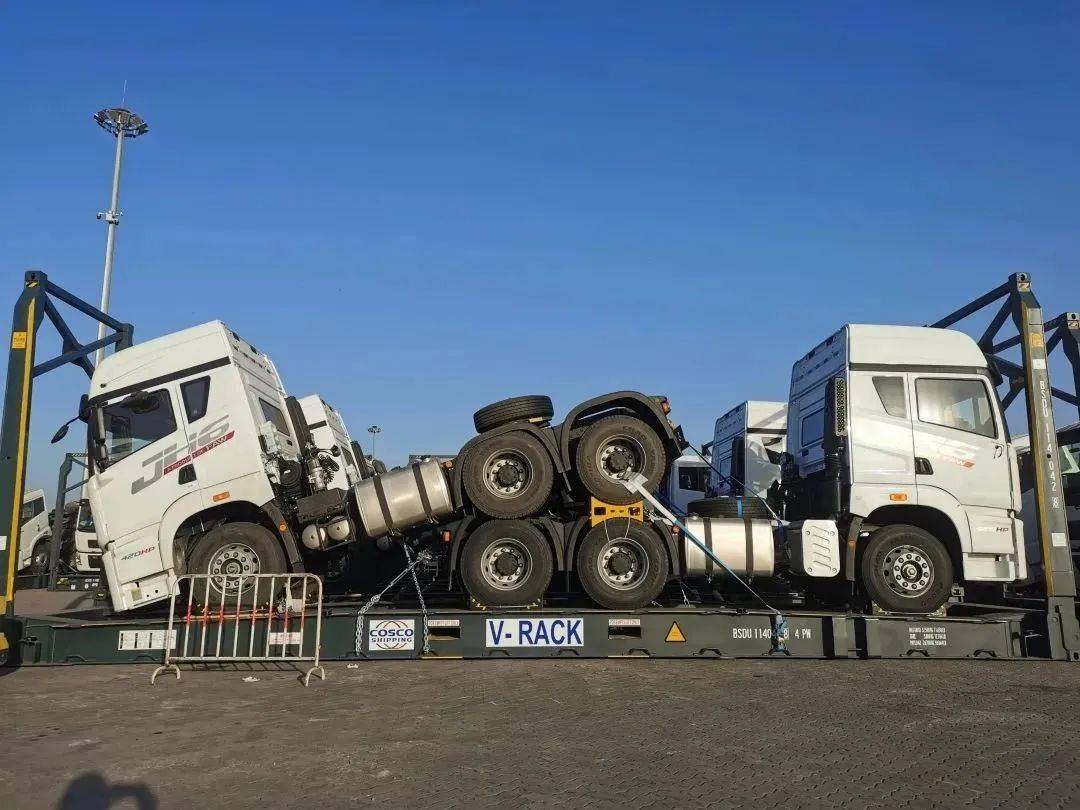
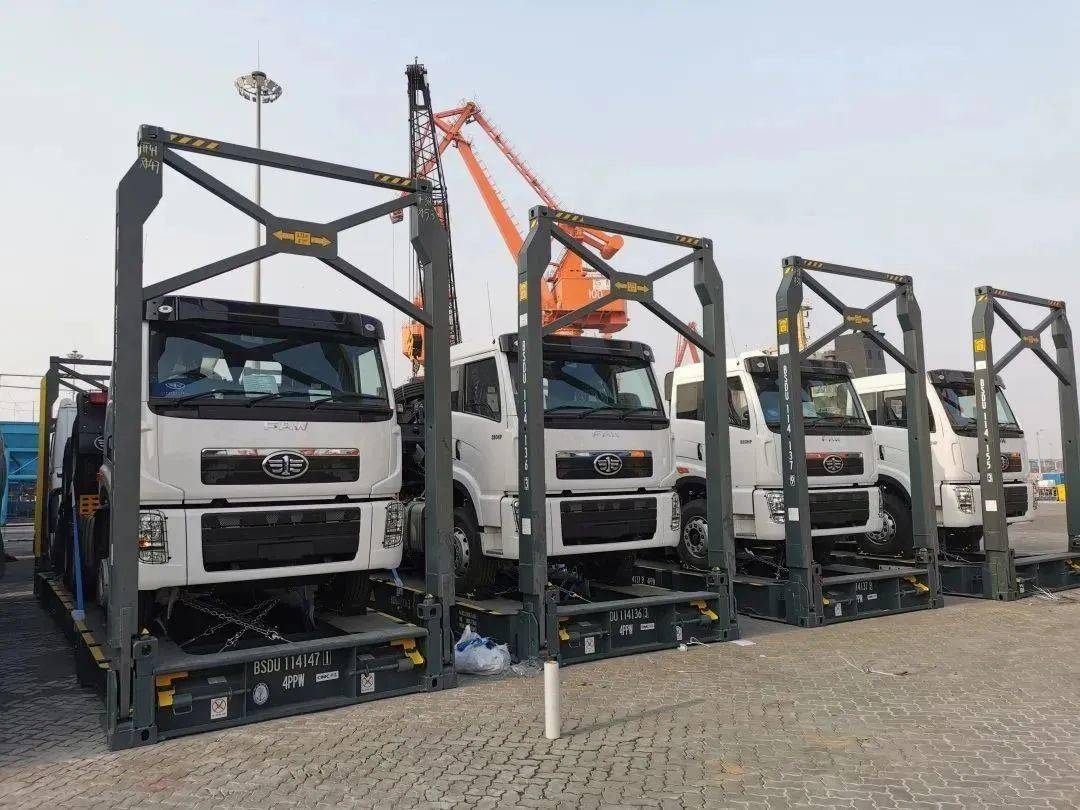
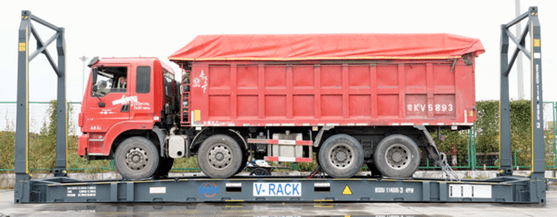
Beyond these unconventional transport methods, Ro-Ro ships still account for the lion’s share of vehicle shipping. BYD, the world’s leading manufacturer of new energy vehicles, has commissioned the construction of several of its own car carriers, which have already begun entering service.

Create an account or sign in to leave a review
There are no reviews to display.