




Multiple automakers, including BYD, Tesla, Nio, Xpeng, Zeekr, GAC Aion, and Li Auto, denied online claims that they had been summoned by Chinese regulators over electric vehicle OTA “battery lock” functions, after AI-generated rumour lists circulated widely on social media, according to Sina.
The controversy followed online reports claiming that regulators had interviewed eight new energy vehicle companies after consumer complaints linked to OTA “battery lock” functions. Some online posts also alleged that three automakers had been formally investigated and that two companies had withdrawn software update packages.
Chinese state-affiliated media outlet Shanghai Observer reported that some automotive social media accounts reposted and modified earlier coverage, adding alleged lists of automakers involved. Several companies said the information was false.
Automakers issue denials
BYD stated on May 9 that online claims regarding the company being “interviewed” or “placed under investigation” were “pure rumours” and said it had collected evidence for potential legal action against accounts spreading false information.
Xpeng’s legal department said some social media accounts used AI applications to generate and distribute claims that “eight NEV companies were collectively interviewed” and “three companies were investigated,” while including Xpeng on the list. The company said it had not received any such notice.
Tesla representatives told Chinese media that the reports were inaccurate and stated that all software updates undergo testing and filing procedures before release.
Nio told local media that it had not been included in any alleged interview list, while Zeekr and GAC Aion also issued statements denying involvement in any regulatory talks or investigations.
OTA battery-lock complaints
The discussion centres on “battery lock” practices, in which automakers may adjust charging limits, discharge depth, or charging and discharging power via over-the-air software updates. Critics argue that such changes can reduce vehicle performance or driving range, while automakers typically describe battery management adjustments as safety-related measures.
According to earlier reports cited by Chinese media, China’s national 12315 consumer complaint platform received more than 12,000 complaints related to OTA battery-lock issues in March 2026, up 273% year-on-year.
The topic has gained broader attention in recent weeks following discussions around EV charging behaviour and battery temperatures. Earlier this week, a livestream test of BYD’s megawatt flash-charging system recorded a charging temperature of76 °C, triggering online debate over battery heat management and charging stress during ultra-fast charging sessions.
Industry data context
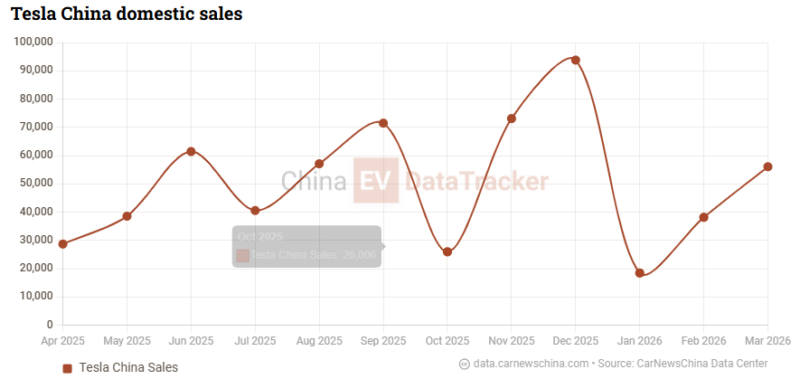
Tesla China’s domestic retail sales totalled 56,107 vehicles in March 2026, down 24.3% year-on-year but up 46.9% from February, according to China EV DataTracker. Tesla’s market share in China stood at 3.4% in March. The figures refer specifically to Tesla’s domestic sales in China, rather than global deliveries or exports.
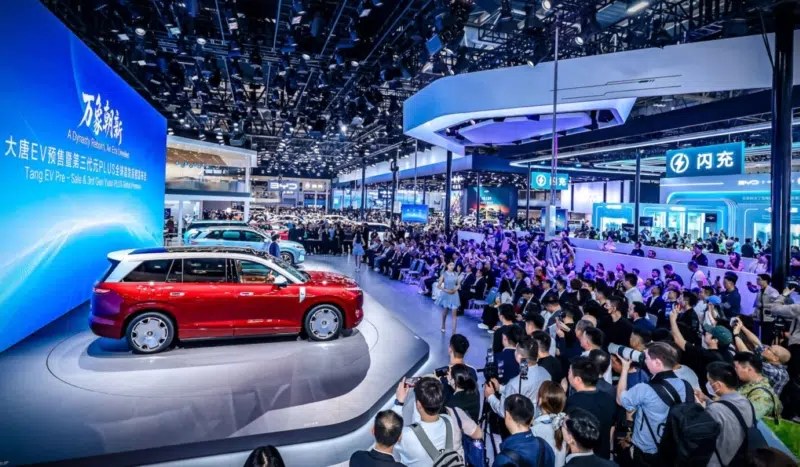
Several automakers named in the online rumours, including BYD, Tesla, Nio, Xpeng, Zeekr, and GAC Aion, also participated in the Beijing Auto Show 2026 held last week. The event recorded 1.28 million visitors, 181 vehicle debuts, and 71 concept cars, according to official event data
Create an account or sign in to leave a review
There are no reviews to display.